Layer 02 · History
History: from jabberd to the XMPP RFCs
Jabber becoming XMPP, in order: the 1999 announcement, the 2002 working group, the 2004 RFCs and the trademark still sitting under the name.
The name Jabber was announced in January 1999. The protocol behind it was handed to the IETF in 2002, standardised as XMPP, and published as RFCs in October 2004. Between those dates sit a server, a foundation, a working group and a trademark, and each of them still shows up somewhere in the vocabulary people use today. This layer lays the sequence out with the dates the foundation itself publishes, and separates what changed from what only got renamed.
In this layer
-
Free-nets: the accounts volunteers kept alive
How free-nets ran on volunteer labour, dial up lines and library terminals, and why a federated address still works the same way.
-
What community radio teaches a federated network
Long before a small XMPP server asked who may run a node, low-power radio was answering the same question on the airwaves.
-
Digital archaeology on a dead protocol
A protocol twenty-seven years old has a topsoil of living documents and layers of dead ones beneath it. The dead layers still explain the surface.
-
Reading the RFCs the way a historian reads a speech
Most of what is said about the protocol was said by someone who had not just read it. The documents are short, public and worth more than the summaries.
-
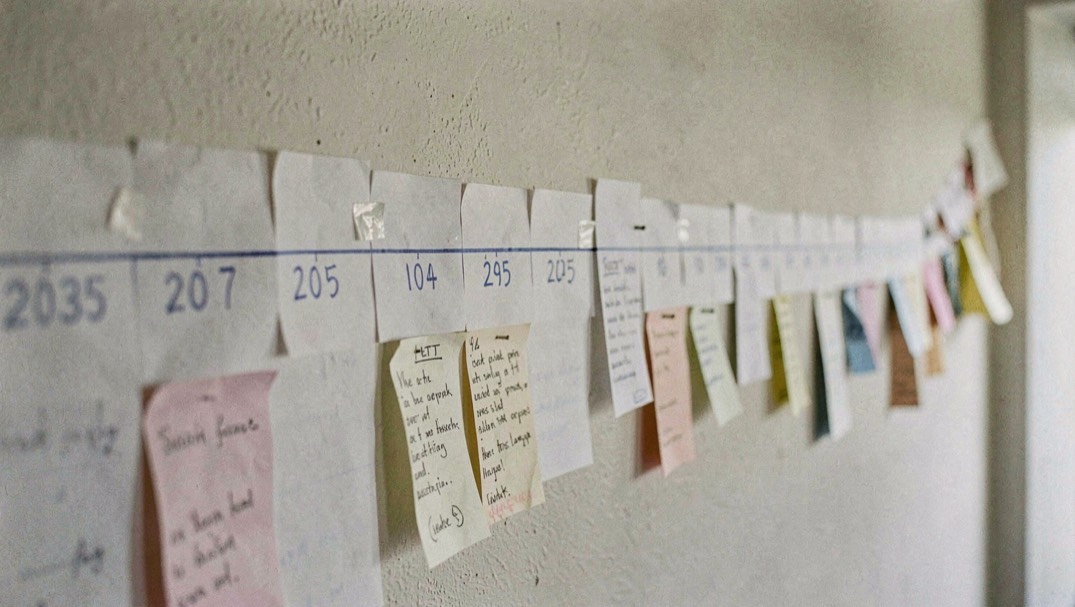
From jabberd to the XMPP RFCs: a timeline
Not quite six years separate a personal announcement from an IETF Proposed Standard. Each step is dated, and each one changed something.
-

Who owns the name Jabber
Two names, two owners, one network. The confusion is old, documented, and easy to clear up.
Every essay in this layer is written against the reference page on the three stanza types, and two neighbouring layers extend it: Protocol and Servers.